
Recycling Lithium-Ion Batteries
Toward Mid-Scale Demonstration and Validation


Despite fluctuations in market conditions and the impact of tariffs, the global transition toward vehicle electrification continues apace. In Japan, where the automotive sector is a core pillar of the economy, NEDO is promoting decarbonization while strengthening industrial competitiveness through the Green Innovation (GI) Fund Projects’ Next-generation Storage Battery and Motor Development. Through close collaboration with companies supporting vehicle electrification, the project advances the development of core technologies for onboard batteries and motors, along with battery recycling technologies aimed at reducing supply risks associated with critical mineral procurement amid surging battery demand.
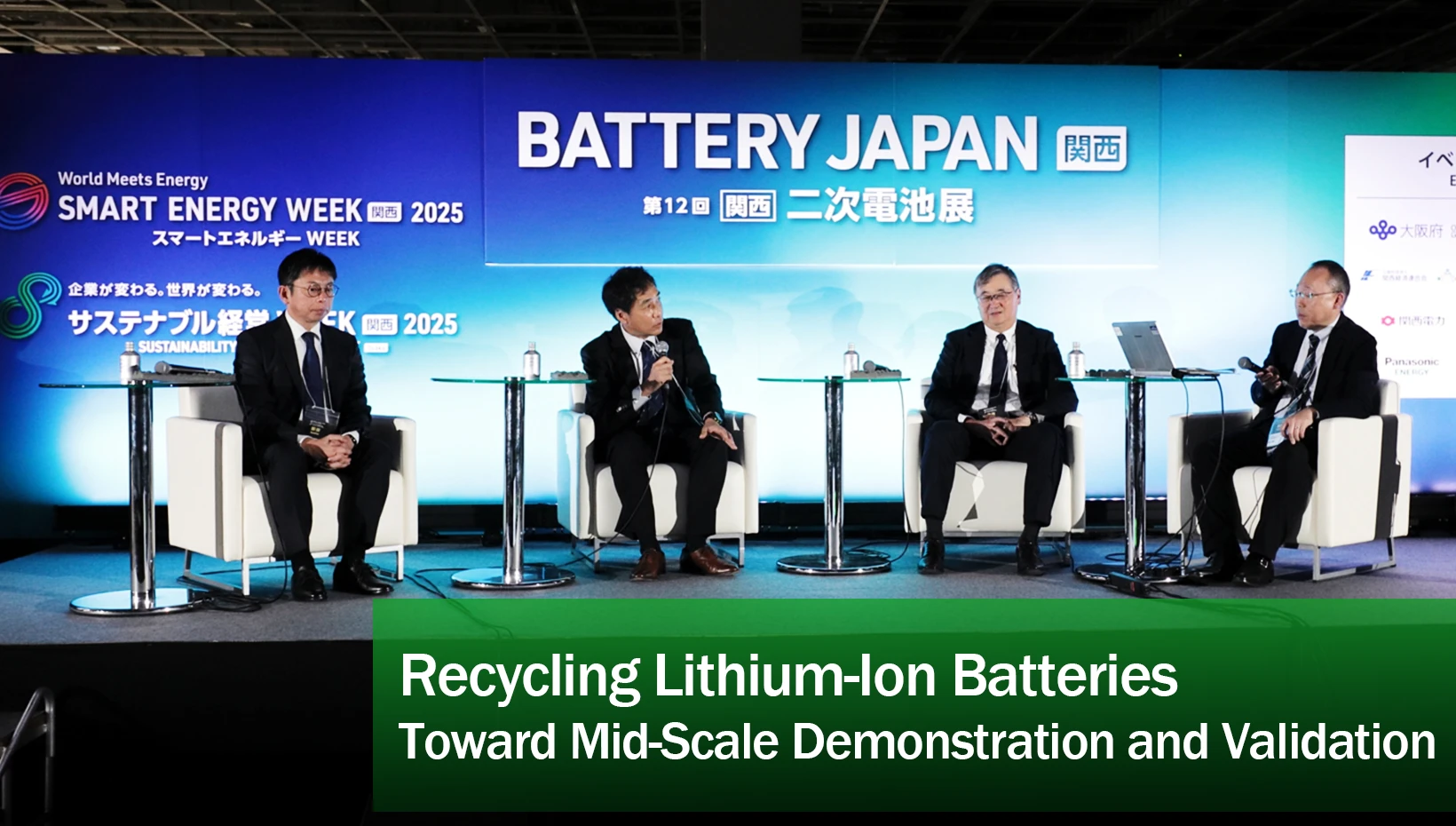
At BATTERY JAPAN Kansai, held from November 19 to 21, 2025, a session titled “The Green Innovation Fund Projects: Progress and Future Challenges of Battery Recycling” brought together companies involved in the GI Fund Projects to discuss battery recycling–related technologies currently under development.
Building a Comprehensive Recycling Supply Chain Is Key
The GI Fund Projects’ efforts in this area began in fiscal year 2022 and are now in their fourth year. The stated goal is to develop technologies that enable the recovery of reusable, high-quality materials from lithium-ion batteries—specifically, at least 70% of lithium and more than 95% of both nickel and cobalt—through low-cost processes that minimize CO2 emissions. “While these targets have already been achieved at the laboratory level, we are now moving into the phase of mid-scale demonstration,” said Tatsuya Higashino, Project Manager and Director, Automotive Battery Unit, Automotive and Storage Battery Department, NEDO.
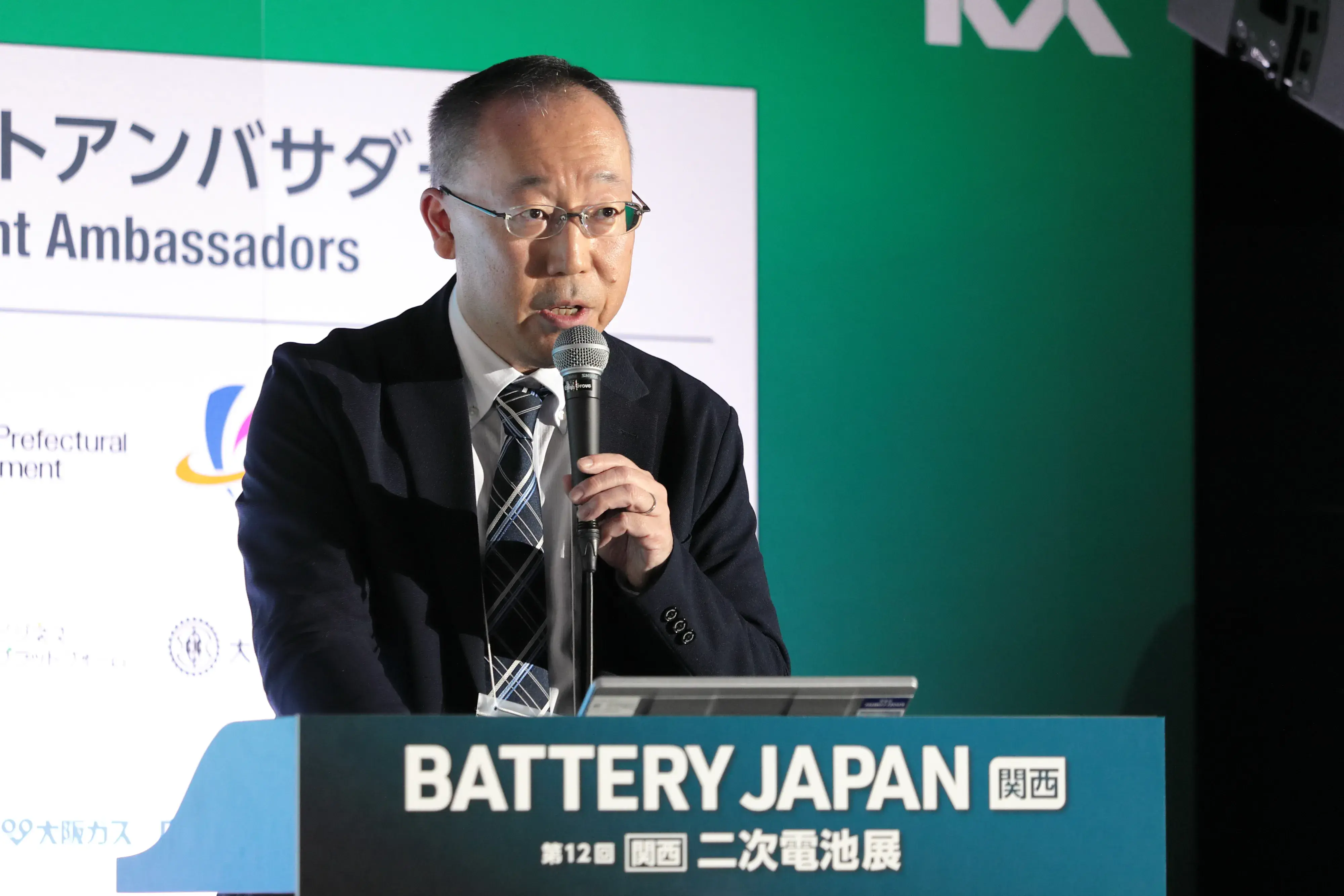
Tatsuya Higashino, Project Manager and Director, Automotive Battery Unit, Automotive and Storage Battery Dept., NEDO
Looking toward social implementation, Higashino outlined five key challenges that must be addressed:
- Defining the scope of materials to be recycled, including onboard batteries, end-of-line materials from electrode manufacturing processes, and black mass
- Determining the form of recycled products, such as recovered rare metals (in salt form), high-quality black mass, regenerated cathode materials, or cells
- Clarifying quality requirements for recycled materials
- Assessing demand and market scale, including the volume of automotive waste lithium-ion batteries expected to enter the domestic market
- Monitoring regulatory and policy trends across countries, including whether recycling will be mandated and how recycled materials will be positioned relative to virgin materials
Addressing these challenges, Higashino emphasized that NEDO has begun to take a proactive role by deepening collaboration with stakeholders across Japan. He expressed confidence that establishing such a recycling scheme will help reinforce the domestic battery industry, noting that building a comprehensive recycling supply chain will be essential to this effort. To develop that supply chain, he stressed the need for industry-wide collaboration—both in Japan and overseas—including OEMs, battery manufacturers, trading companies, and dismantling and recycling operators. Raising awareness of the challenges among a broad range of stakeholders, he added, will be a critical first step.
Balancing Higher Recovery Rates with Cost Reduction
Next to take the stage was Yutaka Yasuda, President and Representative Director of JX Metals Circular Solutions Co., Ltd., who outlined the current state and key challenges of closed-loop recycling for automotive lithium-ion batteries. Closed-loop recycling refers to a self-contained cycle within the automotive battery sector in which materials recovered from waste batteries are regenerated and reused in the production of new battery components.
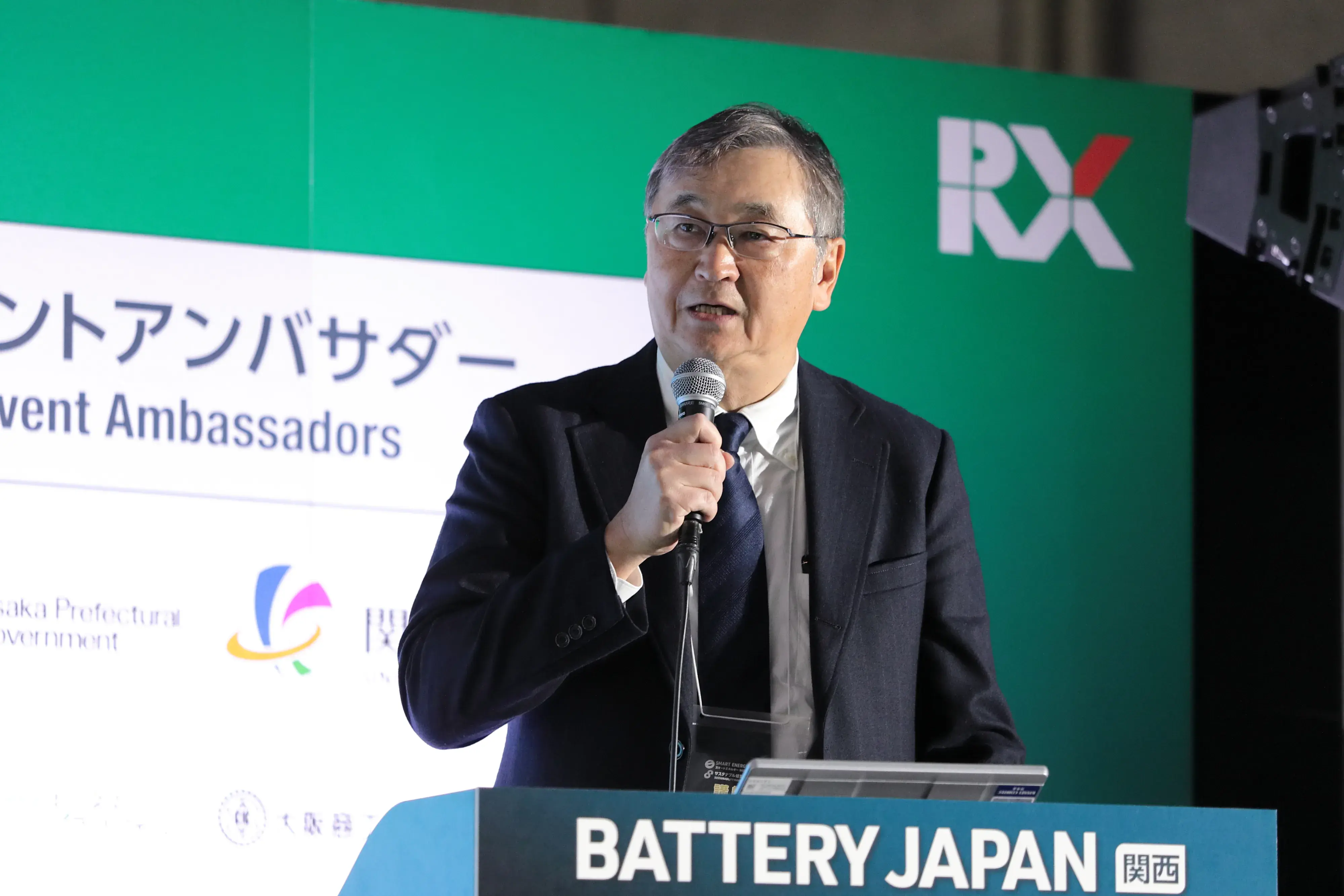
Yutaka Yasuda, President and Representative Director of JX Metals Circular Solutions Co., Ltd.
The company has been engaged in this effort since 2009. In recent years, tightening regulations have increased the pressure to achieve higher recovery rates, while rising costs can quickly erode demand. Against this backdrop, Yasuda noted that, through the GI Fund Projects, the company is pursuing development that balances improved recovery rates with cost reduction.
Specifically, the company is focusing on two areas: optimizing pretreatment technologies and advancing metal recovery technologies. Pretreatment refers to the process of extracting cathode materials containing valuable metals from waste battery cells in the form of battery powder known as black mass.
The pretreatment technology under development involves first discharging waste battery cells, then crushing them in an inert atmosphere, followed by low-temperature vacuum drying to recover the electrolyte. The resulting material is subsequently screened to selectively recover high-purity black mass. Because this process does not rely on conventional thermal treatment, it enables both cost reduction and lower environmental impact.
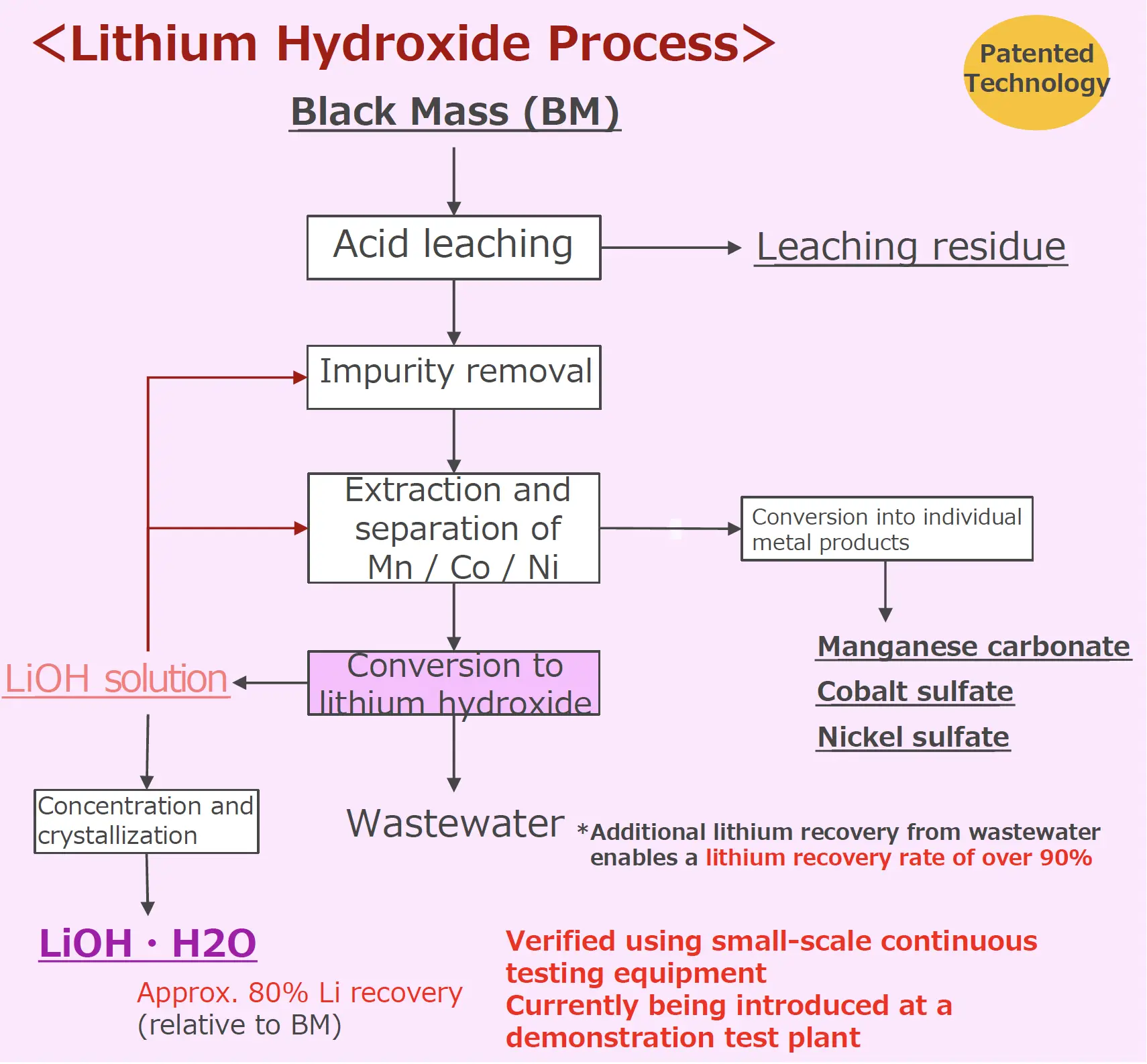
Principle of the metal recovery technology using lithium hydroxide under development by JX Metals Circular Solutions (Source: JX Metals Circular Solutions)
To recover metals from black mass, the process employs hydrometallurgical treatment, which separates metals through chemical reactions in an aqueous solution. While hydrometallurgical processing requires adjustment of hydrogen ion concentration (pH), lithium hydroxide derived from recovered lithium is used for this purpose, replacing the conventional use of sodium hydroxide. As a result, product purity is improved, with lithium recovery rates of 90% achieved at the laboratory level. Yasuda noted that these processes are scheduled to undergo validation for mass production at the Tsuruga facility beginning in April 2027.
A New Circular Model for Direct Regeneration of Cathode Materials
Kenji Atarashi, Associate Officer in the ICT & Mobility Solutions Sector at Sumitomo Chemical Co., Ltd., outlined the company’s latest progress in direct recycling, one of the recycling approaches for cathode materials, as well as in upcycling.
While direct recycling, like the hydrometallurgical and pyrometallurgical processes being pursued by JX Metals Circular Solutions, also utilizes black mass, it differs fundamentally in that it does not extract metal feedstock after recycling. Instead, the recovered materials are regenerated and reused directly as cathode materials.
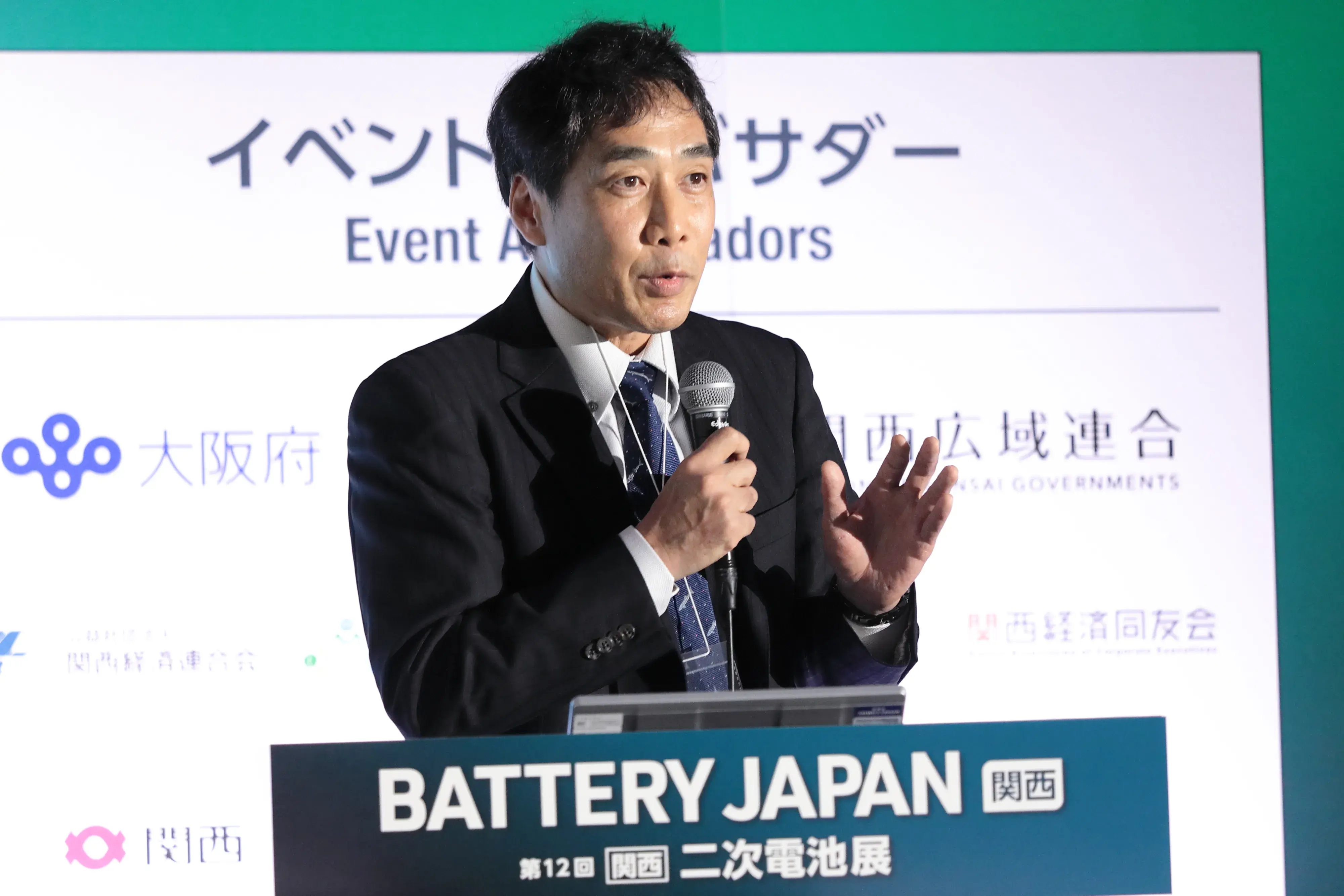
Kenji Atarashi, Associate Officer, ICT & Mobility Solutions Sector, Sumitomo Chemical Co., Ltd.
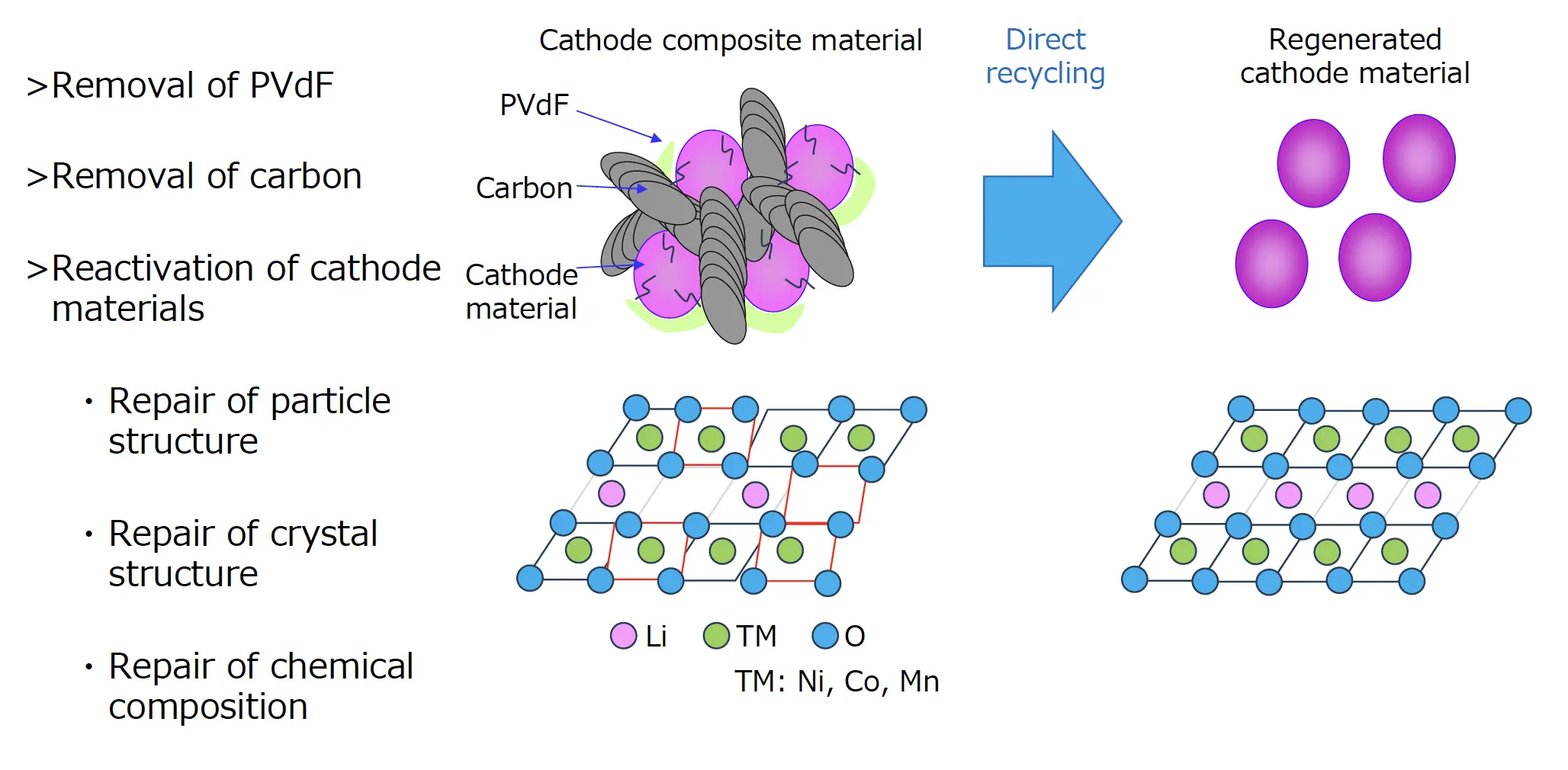
Process of Direct Recycling under Development by Sumitomo Chemical (Source: Sumitomo Chemical)
Black mass contains PVdF (polyvinylidene fluoride), which is used as a binder, as well as carbon and other materials. Because these components hinder the reactivation of cathode materials, they are first removed.
Having been used over long periods, cathode materials inevitably degrade. To restore their performance as much as possible, the necessary components are added, followed by heat treatment to adjust the particle structure, crystal structure, and chemical composition of the cathode materials and thereby reactivate them.
In verification tests using black mass that had deteriorated to approximately 80% of its initial capacity, the performance was confirmed to be restored to nearly its original level.
“Compared with methods that return materials to the metal stage, many of the complex processing steps can be eliminated. As a result, this approach contributes to reducing both processing costs and the carbon footprint,” Atarashi said.
In addition to direct recycling, Sumitomo Chemical is also advancing research on upcycling. Upcycling aims not only to restore materials to their original state, but to enhance their performance beyond that level.
In current development efforts, the company has confirmed that NMC622 cathode materials, in which the nickel, manganese, and cobalt ratio is 6:2:2, can be regenerated into NMC811 materials with a higher nickel content, at a ratio of 8:1:1.
The approach, however, is not without its challenges. “There are limits to how far materials can be restored. If particles have developed major cracks, regeneration becomes difficult. In addition, attempting to maximize performance inevitably drives up costs. We must carefully assess the balance between performance and cost,” Atarashi said.
Reducing CO2 Emissions and Achieving Higher Purity through Pulsed Discharge
Ryoichi Ozaki, Executive Officer and Head of the Technology Strategy Group in the O&M Engineering Strategy Division at JERA, explained a black mass production technology that utilizes high-voltage pulsed discharge.
Conventionally, black mass has been extracted from waste batteries using processes that include roasting. However, such methods involve high energy consumption and CO2 emissions, as well as cathode material degradation and increased impurity levels.
“Our research is primarily aimed at reducing CO2 emissions while improving the recovery rates of valuable metals,” Ozaki said.
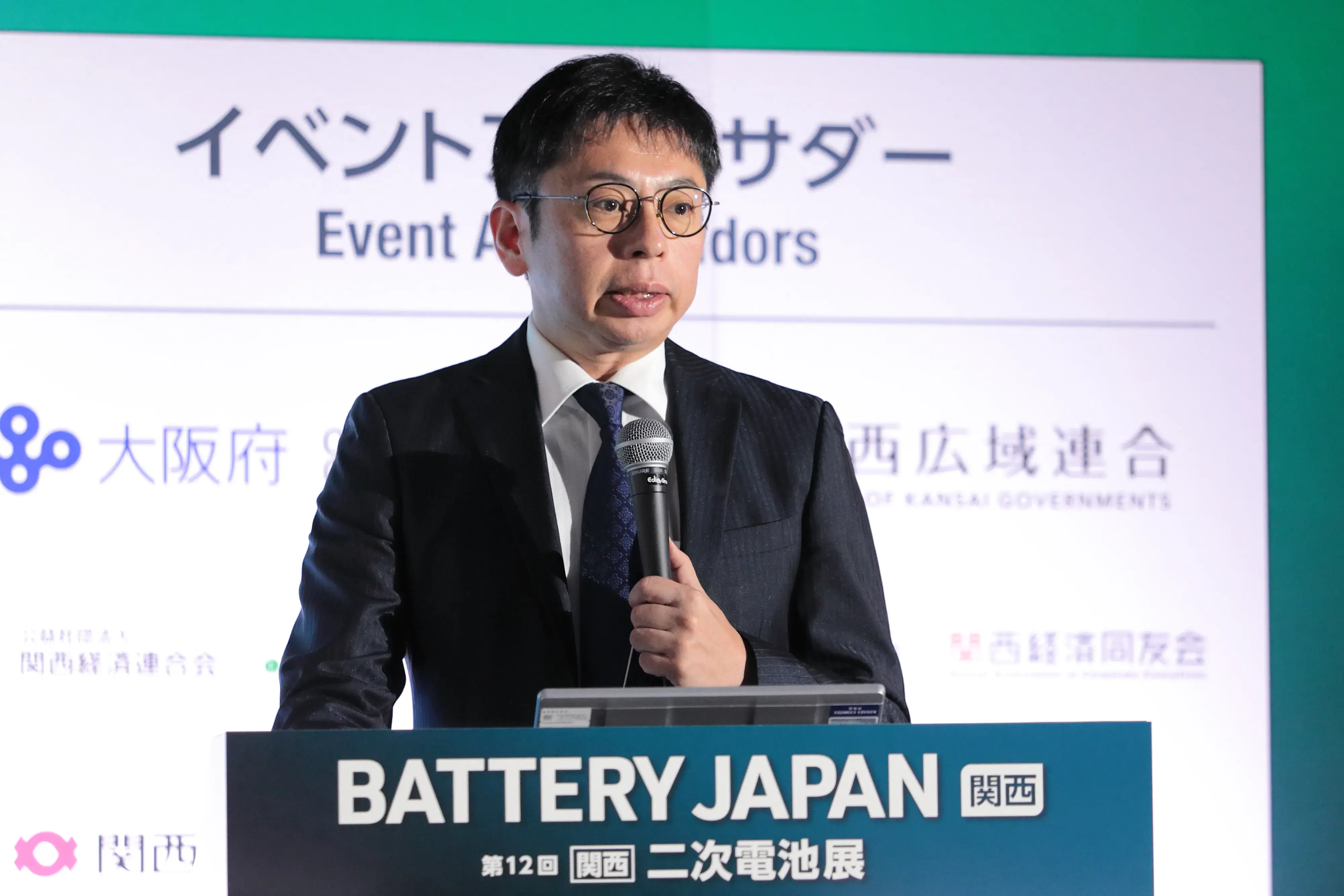
Ryoichi Ozaki, Executive Officer, Head of the Technology Strategy Group, O&M Engineering Strategy Division, JERA
Conventional black mass contains various impurities in addition to cathode materials, including anode materials, copper, aluminum, and resins. By contrast, JERA’s method uses high-voltage pulsed discharge to recover high-purity black mass consisting solely of cathode materials.
In battery cells, cathode materials are tightly bound to aluminum sheets that serve as current collectors, via a binder. In traditional recycling processes, the binder is volatilized through roasting, followed by mechanical crushing to separate the cathode materials. As a result, CO2 emissions are substantial and the materials themselves deteriorate.
JERA’s approach addresses these issues by utilizing high-voltage pulsed discharge.
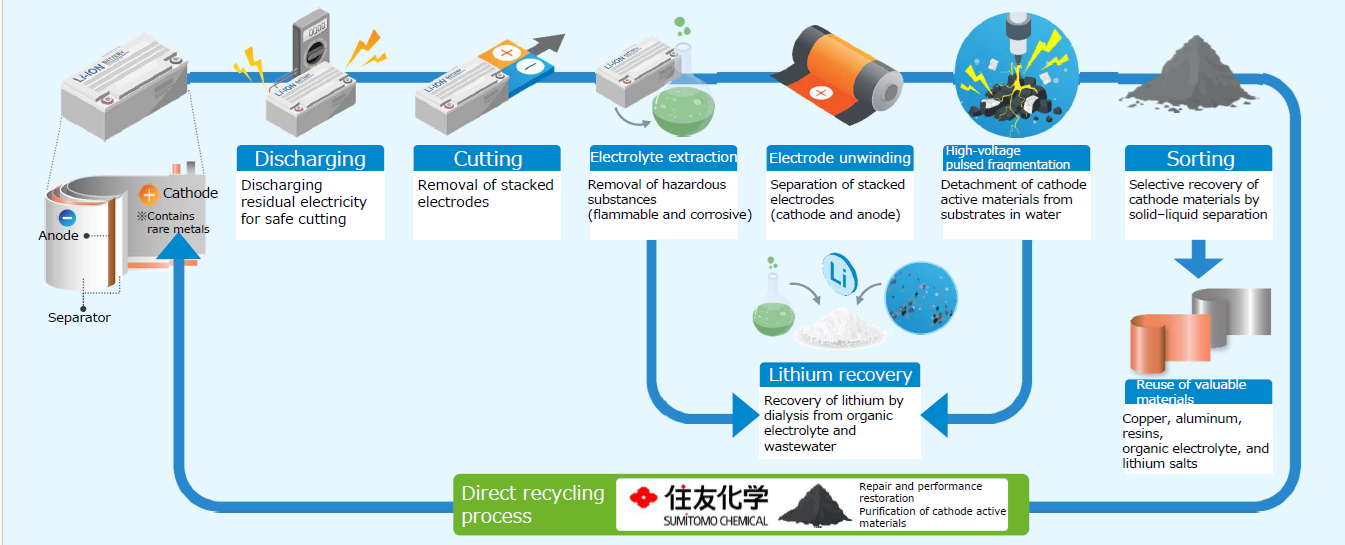
Conceptual circular model combining JERA’s high-voltage pulsed discharge technology for black mass recovery with Sumitomo Chemical’s direct recycling process (Source: JERA)
The powerful discharge generated by high-voltage pulses delivers a shock to the binder that connects the cathode materials to the aluminum sheets, causing them to detach. When the sheets are agitated in an aqueous solution, the separated cathode materials can be readily recovered.
“We now have a clear outlook for reducing CO2 emissions by 20%. In addition, we expect to achieve recovery rates of over 80% for lithium and more than 95% for both nickel and cobalt,” Ozaki said, revealing the latest research results.
Under the GI Fund Projects, JERA and Sumitomo Chemical are jointly engaged in research and development. In this collaboration, JERA recovers black mass using its proprietary method, after which Sumitomo Chemical regenerates it into cathode materials through direct recycling. By combining their respective technologies, the two companies aim to realize a new recycling process that is both cost-effective and environmentally sustainable.
Supply Chains and Human Resources Essential for Social Implementation
At the end of the session, a panel discussion moderated by Project Manager Higashino was held, with the first topic focusing on the challenges of achieving social implementation.
Yasuda began by noting the slower-than-expected pace of EV adoption, arguing that while discussions often focus on the relative merits of recycling technologies, greater priority should be given to establishing a national system for collecting batteries in the first place. He emphasized this as a key challenge on the input side of recycling technologies.
Atarashi echoed this view, adding that Sumitomo Chemical’s direct recycling approach has limitations, as severely damaged particles are difficult to regenerate. He argued that, ideally, recycling technologies should be selected and applied according to the condition of the input materials.
Ozaki also stressed that government involvement is indispensable for building a supply chain, noting that, as an energy company, JERA intends to contribute by putting forward its own proposals in this area.
The discussion then turned to the recruitment and development of human resources. Yasuda noted that while hiring itself is proceeding smoothly, retention will be difficult unless the business is scaled up and the industry becomes more attractive.
Responding to this, Atarashi pointed to the increasingly critical perspective of students, emphasizing that they will not be convinced unless the industry can clearly demonstrate its future profitability. He stressed the importance of being able to convey that the field is worth pursuing precisely because it offers solid prospects for returns.
Ozaki added that a recycling supply chain requires professionals with a wide range of expertise. He also noted that IT capabilities are essential for visualizing CO2 reduction efforts, and argued that the industry must be developed into an attractive sector that integrates both software and hardware.
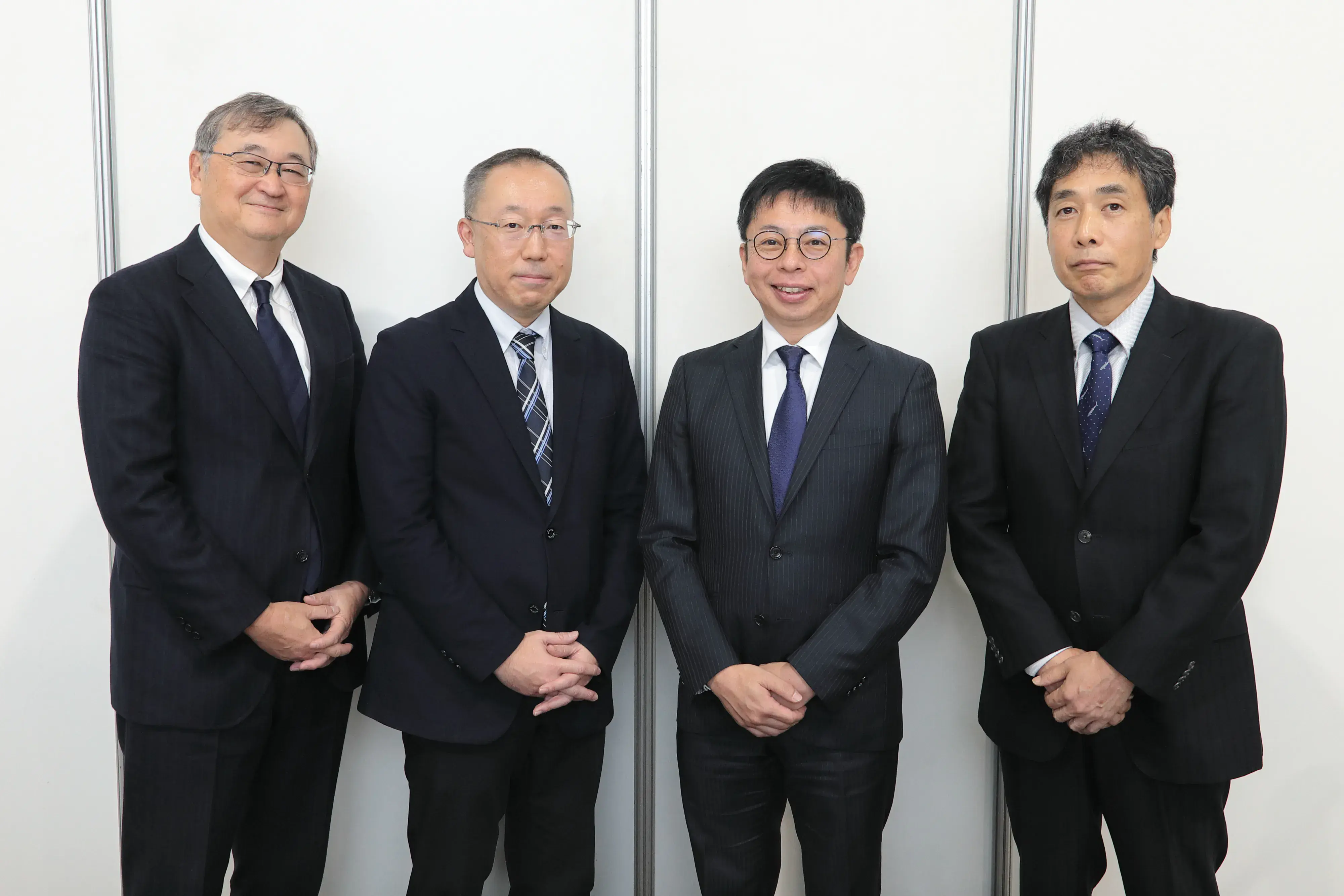
From left: Yutaka Yasuda (JX Metals Circular Solutions), Tatsuya Higashino (NEDO), Ryoichi Ozaki (JERA), and Kenji Atarashi (Sumitomo Chemical)
With technological development progressing steadily, Project Manager Higashino outlined the next phase, stating, “We are now entering the stage of scaling up. We will move forward by building mid-scale demonstration facilities and pilot lines and conducting verification.”
This session made clear that while Japan’s battery recycling research is advancing smoothly, challenges remain, including the establishment of effective battery collection systems. Although there have been reports of successful recycling efforts overseas, in practice, concerns persist regarding actual metal recovery rates and material quality. Looking ahead, Japan’s technological development will be indispensable for meeting stringent regulations, particularly in Europe. Through the GI Fund Projects, NEDO will continue to support these efforts.